
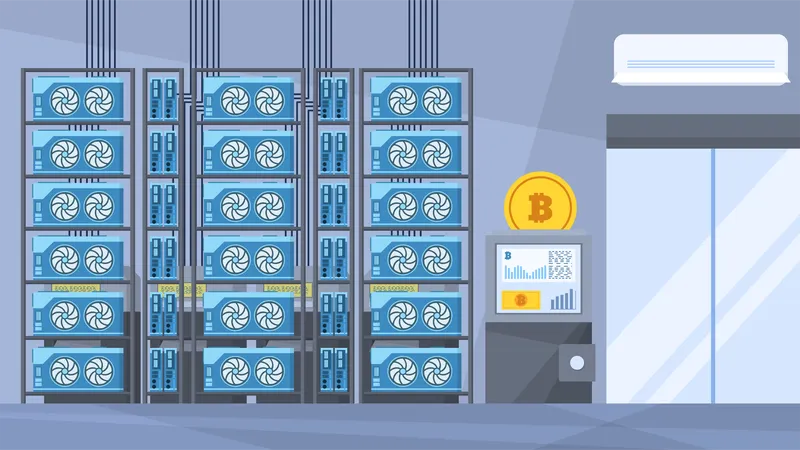
Bitcoin mining has evolved from a small-scale hobby into a professional industry with specialized hardware, dedicated facilities, advanced cooling systems, and large-scale energy infrastructure.
If you’re thinking about building a Bitcoin mining farm, buying ASIC miners is only one part of the process. A successful operation requires careful planning around electricity, cooling, internet connectivity, security, maintenance, and long-term profitability.
The good news is that you don’t necessarily need to build an entire facility from scratch. Depending on your goals and budget, you can work with a professional mining hosting provider and place your equipment in an existing infrastructure.
This guide explains what a Bitcoin mining farm needs, how the setup process works, and what investors should consider before scaling their operation.
What Is a Bitcoin Mining Farm?
A Bitcoin mining farm is a facility where multiple ASIC miners operate together to contribute computing power to the Bitcoin network.
Unlike a single miner running at home, a mining farm is designed specifically for continuous, large-scale operation.
A professional facility typically includes:
- ASIC mining hardware
- Electrical infrastructure
- Cooling and ventilation
- Internet connectivity
- Monitoring systems
- Physical security
- Maintenance areas
- Power distribution equipment
The size of a mining farm can vary significantly. Some operations contain a few dozen machines, while large industrial facilities can operate thousands of ASIC miners.
Why Mining Farms Are Different From Home Mining
Running one ASIC miner at home and operating a mining farm are very different experiences.
A residential setup may be enough for someone who wants to experiment with Bitcoin mining. However, scaling beyond a few machines creates practical problems.
ASIC miners generate substantial heat and noise and consume significant amounts of electricity.
A professional mining farm solves these problems through purpose-built infrastructure.
Electricity
Mining farms need a stable and scalable power supply.
Electrical infrastructure must be able to support the combined power consumption of all operating ASIC miners.
Cooling
Every ASIC produces heat while mining.
Without adequate cooling, temperatures can rise quickly and affect both performance and equipment lifespan.
Internet
Mining requires a stable internet connection. Even short interruptions can reduce uptime and potentially affect mining revenue.
Security
Mining hardware represents a significant financial investment.
A professional facility needs controlled access, surveillance, and appropriate security procedures.
Step 1: Determine Your Mining Budget
Before choosing equipment or a location, determine how much capital you are prepared to invest.
Your budget should include more than ASIC miners.
Consider:
- Hardware
- Shipping
- Installation
- Electricity
- Hosting
- Cooling
- Maintenance
- Replacement parts
- Networking
- Taxes and other applicable costs
Keeping some capital available for unexpected expenses is also important.
A common mistake is spending the entire budget on hardware and leaving nothing for infrastructure or operating costs.
Step 2: Choose Efficient ASIC Miners
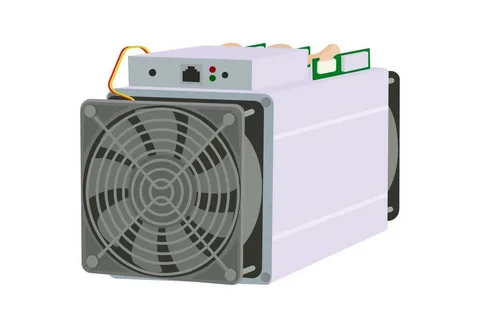
ASIC hardware is the heart of your mining operation.
When comparing machines, don’t focus only on hash rate.
Pay close attention to:
- Hash rate
- Power consumption
- J/TH efficiency
- Purchase price
- Expected lifespan
- Warranty
- Availability of replacement parts
An efficient ASIC can be more valuable than a more powerful machine with significantly higher energy consumption.
This is especially important because electricity is a recurring expense throughout the miner’s operating life.
Step 3: Calculate Your Expected Profitability
Before ordering equipment, estimate potential profitability.
Your calculation should consider:
Mining revenue − electricity − hosting − maintenance − other operating costs = estimated net profit
Keep in mind that mining profitability changes over time.
Bitcoin’s market price, network difficulty, transaction fees, and operating costs can all change.
For this reason, profitability estimates should be treated as scenarios rather than guaranteed returns.
You can also read our guide on Bitcoin mining ROI to understand how to evaluate the investment more carefully.
Step 4: Choose the Right Location
Location can have a major impact on mining economics.
A good mining location should provide:
- Reliable electricity
- Competitive operating costs
- Stable internet
- Suitable climate or cooling infrastructure
- Access to technical support
- Secure facilities
- Potential for expansion
This is one reason Bitcoin mining in Armenia can be an interesting option for investors looking for professionally managed infrastructure.
The right location should be evaluated based on the complete operating environment rather than electricity price alone.
Step 5: Plan the Electrical Infrastructure
Power infrastructure is one of the most important parts of a mining farm.
ASIC miners operate continuously, so the electrical system needs to handle sustained loads safely.
A professional setup should account for:
- Power distribution
- Electrical capacity
- Cabling
- Protection systems
- Equipment layout
- Future expansion
Electrical work should always be handled by qualified professionals.
Poorly designed power infrastructure can create unnecessary downtime and serious safety risks.
Step 6: Build an Effective Cooling System
ASIC miners convert a large portion of their electricity consumption into heat.
That heat needs to be removed continuously.
Common cooling approaches include:
Air Cooling
Air cooling uses fans and ventilation systems to move hot air away from the equipment.
It remains one of the most common approaches for mining farms.
Immersion Cooling
Immersion cooling places mining hardware in a specialized liquid designed to transfer heat efficiently.
It can provide excellent thermal management but generally requires more specialized infrastructure and investment.
The best cooling solution depends on the scale, location, hardware, and operating environment of the mining farm.
Step 7: Set Up Reliable Internet Connectivity
Mining doesn’t require enormous amounts of internet bandwidth, but it does require a stable connection.
A professional operation should prioritize:
- Reliable connectivity
- Low downtime
- Network monitoring
- Appropriate redundancy
An internet outage may not permanently damage equipment, but it can reduce uptime and therefore affect revenue.
Step 8: Install Monitoring Systems
A large mining farm cannot be monitored manually every minute.
Modern operations use monitoring software to track equipment performance.
Important metrics include:
- Hash rate
- Temperature
- Power consumption
- Fan speed
- Hardware errors
- Network status
Automated alerts can notify technicians when a miner stops working or begins operating outside normal parameters.
Early detection can prevent a small issue from becoming a larger operational problem.
Step 9: Plan Maintenance From the Beginning
Maintenance shouldn’t be an afterthought.
ASIC miners operate continuously, so dust, fan wear, temperature fluctuations, and other issues need to be addressed regularly.
A maintenance plan may include:
- Routine cleaning
- Fan inspections
- Cable inspections
- Firmware management
- Temperature checks
- Hardware testing
- Replacement of damaged components
Preventive maintenance can reduce downtime and help extend equipment lifespan.
For more information, see our guide to ASIC miner maintenance.
Step 10: Decide Between Building Your Own Farm and Hosting
You don’t necessarily have to build your own mining facility.
There are two main approaches.
Building Your Own Mining Farm
Building your own facility gives you maximum control.
You can decide:
- Where the facility operates
- Which infrastructure to install
- Which cooling system to use
- How to manage equipment
However, this approach requires significantly more capital, technical knowledge, management, and operational responsibility.
Using Professional Mining Hosting
With professional hosting, you own the ASIC miners while a specialized provider manages the infrastructure.
Hosting can include:
- Electricity
- Cooling
- Internet
- Equipment installation
- Monitoring
- Maintenance
- Physical security
For many investors, this provides a much easier path to scaling a mining operation.
How to Scale a Bitcoin Mining Farm
Scaling should be based on data rather than excitement.
Instead of immediately purchasing hundreds of machines, consider starting with a manageable number and evaluating:
- Actual electricity costs
- Equipment uptime
- Real-world hash rate
- Maintenance requirements
- Monthly profitability
Once the operation demonstrates consistent performance, additional equipment can be added.
This approach reduces the risk of expanding before the underlying economics are understood.
Common Bitcoin Mining Farm Mistakes
Choosing Hardware Without Considering Electricity
A high-performance miner can become expensive to operate if energy costs are too high.
Underestimating Cooling
Adding more ASIC miners also means adding more heat.
Cooling capacity needs to scale with the mining operation.
Ignoring Maintenance
Small hardware problems can become expensive when hundreds of machines are involved.
Failing to Plan Expansion
If future growth is part of the strategy, infrastructure should be designed with expansion in mind.
Focusing Only on Bitcoin Price
Bitcoin’s price is important, but mining economics also depend on network difficulty, energy costs, hardware efficiency, and uptime.
Why Professional Mining Hosting Can Be a Better Option
For many investors, professional hosting offers a practical middle ground between home mining and building an entire mining facility.
You own the hardware but don’t need to manage every part of the infrastructure yourself.
This can reduce operational complexity and make scaling easier.
At OurMiningClub, we help miners access professional infrastructure while focusing on the part that matters most: building an efficient and sustainable mining operation.
How OurMiningClub Supports Mining Operations
At OurMiningClub, we provide solutions designed for investors who want to enter or expand the Bitcoin mining industry.
Our support can include:
- Mining hosting
- ASIC hardware guidance
- Profitability analysis
- Infrastructure planning
- Equipment monitoring
- Technical support
- Scaling guidance
Our goal is to make professional Bitcoin mining more accessible while helping clients make informed decisions about their investments.
If you’re still deciding which equipment to purchase, start with our guide to the best Bitcoin mining hardware.
If you’re already planning an operation, our Bitcoin mining hosting solutions can help simplify infrastructure management.
Build Your Mining Farm With a Long-Term Strategy
A successful Bitcoin mining farm is not simply a room filled with ASIC miners.
It is a carefully planned operation where hardware, electricity, cooling, connectivity, maintenance, security, and profitability work together.
The best approach is to start with realistic numbers, choose efficient equipment, understand your operating costs, and build infrastructure that can scale.
For investors who don’t want to manage an entire facility themselves, professional mining hosting can provide a simpler path to entering the industry.
If you’re ready to explore your options, OurMiningClub can help you evaluate your mining strategy and choose an infrastructure solution that fits your goals.
Contact OurMiningClub today to discuss your mining project and take the next step toward building a professional Bitcoin mining operation.