
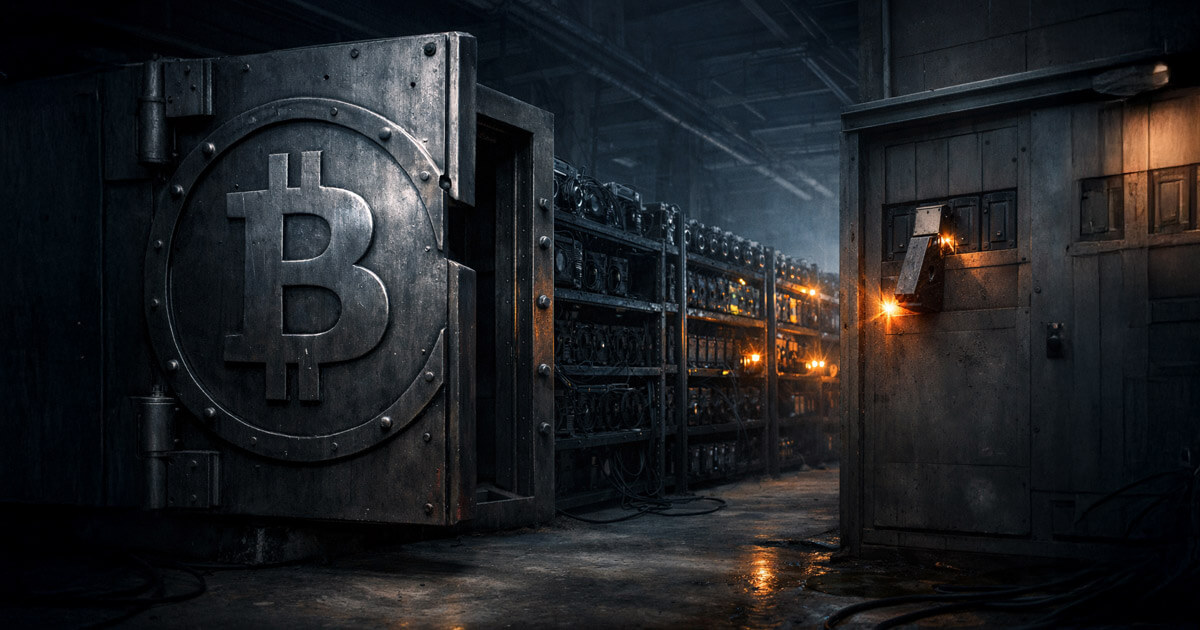
Bitcoin mining requires more than powerful ASIC hardware, reliable electricity, and an efficient cooling system. Mining equipment represents a significant investment, and protecting that investment is an important part of operating a successful mining business.
A mining facility may contain expensive machines, electrical infrastructure, networking equipment, cooling systems, and other essential components. Problems involving unauthorized access, equipment theft, power interruptions, cyberattacks, or environmental hazards can disrupt operations and create unexpected costs.
For this reason, Bitcoin mining facility security should be treated as a core part of mining infrastructure rather than an afterthought.
Whether you operate a small mining setup or manage a larger facility, a structured security strategy can help reduce risks, protect equipment, and support more reliable operations.
Why Bitcoin Mining Facility Security Matters
Mining facilities face several types of operational risk. Some involve physical equipment, while others affect the digital systems used to monitor and manage machines.
A security incident can result in financial losses, downtime, equipment damage, or unauthorized access to sensitive information.
Common risks include:
- Theft of ASIC miners and other valuable equipment.
- Unauthorized entry into restricted areas.
- Cyberattacks targeting mining management systems.
- Electrical faults and power infrastructure failures.
- Cooling failures and overheating.
- Fire, water damage, and other environmental hazards.
- Unauthorized changes to equipment configurations.
- Loss of access to important operational accounts.
The consequences depend on the size of the operation, the value of the equipment, and the effectiveness of existing security measures.
A comprehensive security plan considers these risks together rather than focusing exclusively on physical protection.
Physical Security: Protecting Mining Equipment
ASIC miners can be valuable assets, especially when a facility operates dozens or hundreds of machines. Physical security helps prevent unauthorized access, theft, and deliberate damage.
Control Access to the Facility
Not everyone should have unrestricted access to a mining facility.
Access should be limited to authorized employees, technicians, contractors, and other approved individuals.
Depending on the facility, access controls may include:
- Individual access cards or credentials.
- Electronic door locks.
- Visitor registration.
- Restricted equipment rooms.
- Separate access permissions for technical and administrative areas.
- Records of entry and exit.
Access permissions should reflect each person’s responsibilities. Contractors who perform a specific maintenance task may not need access to every part of the facility.
Regularly reviewing permissions is also important, particularly when employees change roles or leave the organization.
Install Appropriate Surveillance
Video surveillance can help operators monitor entrances, equipment areas, loading zones, and other sensitive locations.
A well-planned system should cover relevant areas without creating unnecessary blind spots.
Depending on the facility’s requirements, security measures may include cameras, motion detection, recorded footage, and alerts for activity outside normal operating hours.
Surveillance systems should be protected against unauthorized access themselves. Cameras connected to poorly secured networks can introduce additional cybersecurity risks.
Operators should also establish appropriate policies for footage access, storage, and retention.
Protect Equipment During Transportation
Security risks do not end at the facility entrance.
ASIC miners may be exposed to theft or damage during delivery, installation, relocation, and repairs.
Businesses can reduce these risks by maintaining equipment inventories, verifying deliveries, recording serial numbers, and documenting transfers between locations.
For valuable shipments, use trusted logistics providers and establish clear procedures for confirming receipt.
Keeping accurate asset records also makes it easier to identify missing equipment and manage warranty or insurance claims.
Cybersecurity for Bitcoin Mining Operations
Modern mining facilities depend on digital systems to monitor hardware, configure machines, track performance, and manage accounts.
These systems can become targets if they are not properly secured.
Secure Mining Management Accounts
Every account used to manage mining hardware or facility operations should have appropriate security protections.
Practical measures include:
- Using strong, unique passwords.
- Enabling multifactor authentication where available.
- Restricting administrative permissions.
- Removing inactive accounts.
- Reviewing account activity.
- Keeping recovery information secure.
Avoid using the same password across mining dashboards, email accounts, hosting portals, and cryptocurrency-related services.
If one account is compromised, reused credentials can expose other systems.
Separate Operational Networks
Mining equipment, office computers, security cameras, and administrative systems do not necessarily need to share unrestricted network access.
Network segmentation can help limit the impact of a compromised device.
For example, a facility may separate its mining equipment network from the network used for business administration.
Access between network segments should be limited to what is operationally necessary.
This approach can make it more difficult for an attacker who compromises one device to access every system in the facility.
Keep Software and Firmware Updated
Outdated software can contain vulnerabilities that attackers may exploit.
Operators should maintain an inventory of the software and firmware used across their mining infrastructure and apply appropriate updates after reviewing compatibility and operational risks.
Updates should be obtained from trusted sources, and important configuration settings should be backed up before changes are made.
Unverified firmware and unofficial management tools can introduce security problems, including unauthorized configuration changes or malicious software.
Protect Remote Access
Remote monitoring can help operators manage equipment without being physically present at the facility.
However, remote access also creates another potential entry point for attackers.
Use secure remote-access methods, restrict access to authorized personnel, and avoid exposing management interfaces directly to the public internet when safer alternatives are available.
Where practical, use a VPN or another appropriately secured access solution.
Remote access should be disabled when it is no longer required, and access logs should be reviewed periodically.
Protecting Mining Wallets and Financial Access
Mining infrastructure security and cryptocurrency custody are related, but they are not the same thing.
A facility may operate ASIC hardware without directly controlling the private keys for the wallet receiving mining payouts.
Where a business does manage cryptocurrency wallets, it should establish separate procedures for protecting financial access.
Important measures include:
- Keeping private keys and recovery phrases confidential.
- Using secure wallet storage appropriate to the business’s needs.
- Limiting who can authorize transfers.
- Verifying wallet addresses before changing payout settings.
- Requiring additional approval for significant transactions.
- Maintaining secure backups and recovery procedures.
Private keys and recovery phrases should never be entered into untrusted websites or shared with someone claiming to provide technical support.
A mining dashboard password should not automatically provide unrestricted access to business funds.
Separating operational permissions from financial permissions can help reduce the consequences of an account compromise.
Electrical Safety and Infrastructure Protection
Electricity is one of the most important parts of Bitcoin mining infrastructure.
ASIC equipment can operate continuously and place substantial demands on power distribution systems.
Electrical problems can interrupt mining activity, damage equipment, and create serious safety hazards.
Use Properly Designed Electrical Systems
Mining facilities should use electrical infrastructure designed for their equipment and operating requirements.
Qualified professionals should assess electrical capacity, distribution, protection devices, grounding, and applicable safety requirements.
Improvised wiring and overloaded circuits can increase the risk of equipment failure and fire.
Electrical installations should be inspected and maintained according to relevant regulations and manufacturer recommendations.
Monitor Power Conditions
Unexpected power interruptions can take multiple machines offline at once.
Depending on the facility, monitoring may help identify abnormal power conditions, equipment faults, and recurring interruptions.
Operators should document outages and investigate repeated problems rather than treating them as unavoidable inconveniences.
Power protection and backup arrangements should be selected according to the facility’s operational requirements and risk assessment.
Not every mining operation requires the same solution, and backup equipment must be properly designed for the loads it is expected to support.
Cooling, Temperature, and Fire Prevention
ASIC miners generate substantial heat while operating.
If cooling systems fail or airflow becomes restricted, equipment temperatures can rise and affect operational stability.
A security and safety plan should therefore include environmental monitoring and procedures for responding to abnormal conditions.
Monitor Temperature and Airflow
Temperature sensors and equipment monitoring can help identify conditions that require attention.
Operators should establish appropriate operating thresholds based on equipment specifications and facility design.
Alerts can help technical staff investigate cooling problems before they cause extended downtime or equipment damage.
Maintain Cooling Equipment
Fans, ventilation systems, filters, and other cooling components need appropriate maintenance.
Dust accumulation, damaged fans, obstructed airflow, and cooling-system failures can affect equipment performance.
A preventive maintenance schedule helps operators identify problems before they develop into larger operational incidents.
Establish Fire Safety Procedures
Electrical equipment and high-density mining installations require appropriate fire prevention and response planning.
Facilities should assess fire risks, maintain suitable detection and protection systems, keep emergency routes accessible, and train relevant personnel.
Fire protection systems should be selected and installed by qualified professionals according to applicable requirements.
Employees should understand how to report a suspected fire, evacuate safely, and contact emergency services.
Protecting equipment is important, but personnel safety must always come first.
Inventory Management and Equipment Tracking
A mining facility should maintain accurate records of its hardware and infrastructure.
Without reliable inventory records, it can be difficult to determine what equipment is installed, where it is located, and whether it has been moved or replaced.
An equipment inventory can include:
- ASIC model and serial number.
- Purchase date and supplier.
- Current location.
- Ownership or leasing status.
- Warranty information.
- Maintenance history.
- Repair records.
- Current operating status.
These records can support maintenance planning, asset verification, financial reporting, and insurance documentation.
For larger facilities, an inventory system can also help identify equipment that has disappeared from monitoring or has not been accounted for during a relocation.
Monitoring and Incident Detection
Security measures are more effective when operators can identify problems quickly.
A mining facility can use monitoring systems to track hardware performance, network connectivity, environmental conditions, and infrastructure status.
Depending on the installation, monitoring may cover:
- ASIC operating status.
- Hash rate and hardware errors.
- Temperature and fan performance.
- Power interruptions.
- Network connectivity.
- Unauthorized login attempts.
- Access-control events.
- Camera and alarm system status.
Monitoring should be supported by clear response procedures.
An alert is useful only if someone knows what it means, who is responsible for investigating it, and what actions should follow.
For example, an unexpected drop in hash rate could indicate a hardware problem, a power interruption, a network issue, or a configuration change. The response should begin with investigation rather than assuming a single cause.
Creating a Mining Facility Security Plan
A written security plan helps turn individual precautions into a consistent operating process.
The plan should identify the facility’s main risks, assign responsibilities, and establish procedures for preventing and responding to incidents.
Step 1: Assess the Risks
Identify the assets that require protection, including ASIC miners, electrical systems, network equipment, business records, and cryptocurrency-related accounts.
Consider the potential consequences of theft, unauthorized access, downtime, environmental incidents, and cyberattacks.
Step 2: Establish Access Rules
Determine who can enter the facility and which areas each person can access.
Document visitor procedures and establish a process for reviewing permissions.
Step 3: Secure Digital Systems
Review passwords, account permissions, remote access, network segmentation, backups, and software updates.
Prioritize systems whose compromise could affect many machines or expose sensitive information.
Step 4: Establish Monitoring Procedures
Define which systems must be monitored, what conditions trigger alerts, and who is responsible for responding.
Step 5: Prepare for Emergencies
Document procedures for power failures, cooling problems, fire alarms, equipment theft, and suspected cyberattacks.
Ensure that staff understand how to report incidents and prioritize personal safety.
Step 6: Review the Plan Regularly
Security requirements change as a mining operation grows.
Review the plan after major equipment changes, facility expansions, significant incidents, or changes in personnel and access permissions.
How Professional Mining Hosting Can Support Security
Building and maintaining a secure mining facility requires more than purchasing ASIC hardware.
Operators also need appropriate infrastructure, technical expertise, monitoring, maintenance, and operational procedures.
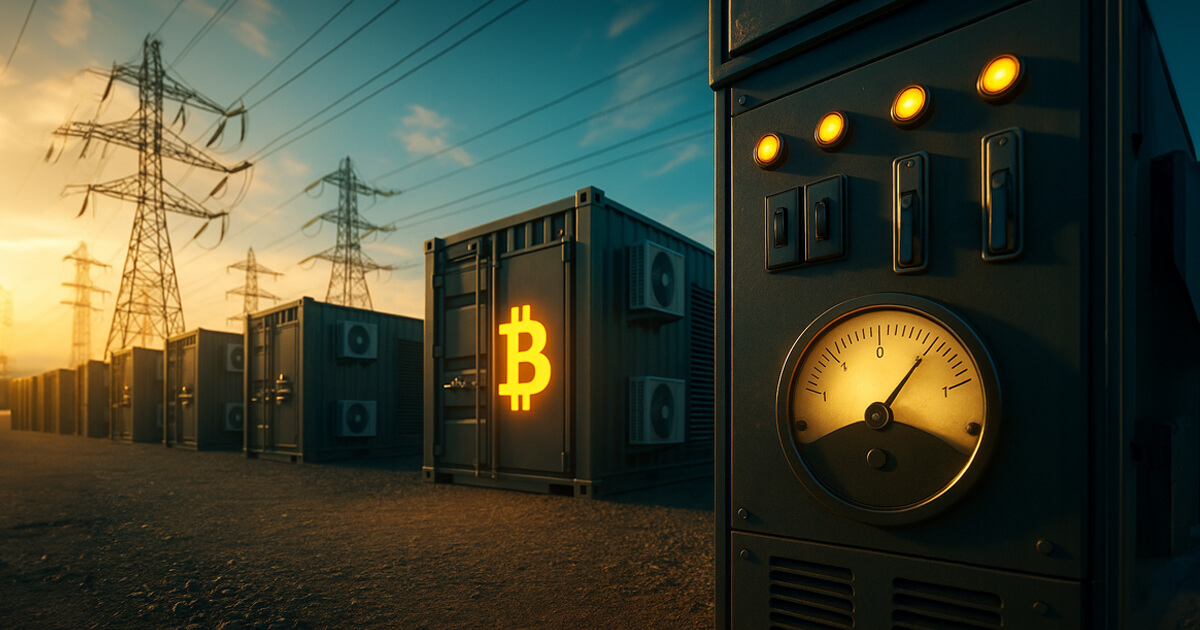
Professional mining hosting can provide access to a dedicated facility designed for cryptocurrency mining. Depending on the provider and contract, services may include controlled physical access, equipment monitoring, cooling, power infrastructure, technical support, and maintenance.
These services can reduce the amount of infrastructure an individual miner needs to build and manage independently.
However, hosting does not automatically eliminate every risk.
Before choosing a provider, review the actual security measures, responsibilities, service commitments, incident procedures, and contractual limitations.
Ask specific questions about equipment access, monitoring, maintenance, insurance responsibilities, and what happens if an incident interrupts operations.
For a broader overview of hosting arrangements, read our Bitcoin Mining Hosting Guide and Bitcoin Mining Hosting vs. Home Mining articles.
Security and Operational Reliability Go Together
Security and uptime are closely connected.
Unauthorized access, electrical problems, cooling failures, and compromised management systems can all interrupt mining activity.
A well-designed facility therefore considers security alongside operational reliability.
For example, restricting access to electrical rooms can reduce the risk of unauthorized changes. Monitoring cooling equipment can help identify environmental problems. Securing management accounts can prevent unauthorized configuration changes.
These measures address different risks, but together they help protect the operation as a whole.
Mining businesses should also evaluate how quickly they can restore normal operations after an incident. Secure backups, documented configurations, spare components, and clearly assigned responsibilities can support recovery.
Common Mining Facility Security Mistakes
Even a facility with expensive hardware can remain vulnerable if basic procedures are neglected.
Common mistakes include:
- Giving too many people administrative access.
- Using shared passwords across multiple systems.
- Leaving remote management interfaces poorly protected.
- Failing to track equipment movements.
- Ignoring repeated temperature or power alerts.
- Delaying software updates without assessing the risk.
- Relying on surveillance without controlling physical access.
- Failing to document incidents and repairs.
- Assuming a hosting provider is responsible for every aspect of security.
- Neglecting emergency planning.
Avoiding these mistakes starts with clearly defined responsibilities and regular reviews.
Security is not a one-time installation. It is an ongoing operational process.
Final Thoughts
Bitcoin mining facility security plays an important role in protecting hardware, infrastructure, personnel, and business operations.
Physical access controls, cybersecurity, electrical safety, environmental monitoring, equipment tracking, and incident response all contribute to a more organized mining operation.
The right security strategy depends on the size of the facility, the value of its assets, the local environment, and the way the operation is managed.
Rather than relying on one security measure, mining operators should build a layered approach that addresses multiple risks and is reviewed regularly.
At OurMiningClub, we focus on cryptocurrency mining infrastructure, hosting, and operational efficiency. If you are planning to launch a mining operation or expand an existing setup, contact our team to discuss your infrastructure and hosting requirements.